

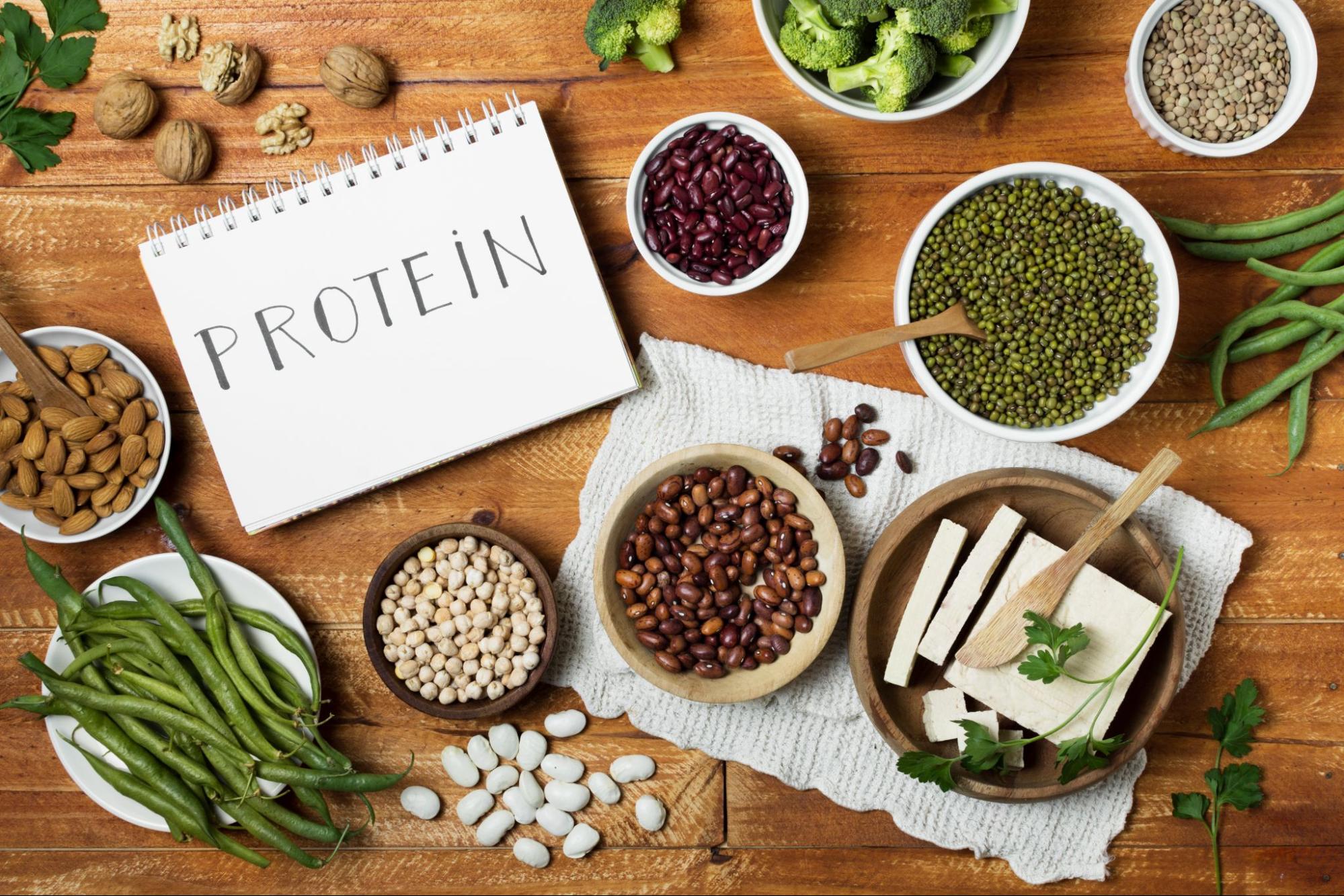
Protein is needed for muscles, skin, enzymes, hormones, immune function, and tissue repair. It also helps meals feel satisfying.
Many people associate protein only with meat or supplements, but it is available from a wide range of animal and plant foods.
Practical balanced nutrition guidance can help you include protein throughout the day without turning meals into complicated calculations.
Eggs
Eggs are affordable, versatile, and quick to prepare.
They can be boiled, scrambled, baked, or added to sandwiches and salads.
Eggs work well at breakfast, lunch, or dinner.
People with specific cholesterol or medical concerns should follow individualized advice from a healthcare professional.
Chicken and Turkey
Skinless chicken and turkey provide protein and can be cooked in many ways.
Grilling, roasting, baking, and simmering are often lighter than deep frying.
Cook extra portions for wraps, salads, rice bowls, or soups.
Avoid depending only on processed versions such as nuggets or deli meat.
Fish
Fish provides protein, and oily fish also contains beneficial fats.
Salmon, sardines, trout, tuna, and mackerel are common options.
Frozen and canned fish can be practical and affordable.
Pregnant individuals and young children may need guidance about mercury levels and serving frequency.
Lean Meat
Beef, lamb, and pork can fit into a balanced diet.
Choose leaner cuts more often and keep portions moderate.
Trim visible fat and use cooking methods that do not require heavy frying.
Processed meats should be eaten less frequently because they are often high in sodium and saturated fat.
Yogurt
Yogurt provides protein and can be used for breakfast, snacks, sauces, or desserts.
Plain yogurt usually contains less added sugar than flavored varieties.
Add fruit, oats, nuts, or cinnamon for flavor.
Lactose-free options are available for people who have difficulty digesting lactose.
Cottage Cheese
Cottage cheese is a convenient protein source that requires no cooking.
It can be paired with fruit, vegetables, toast, or crackers.
Check sodium content if that is a concern.
The texture is not appealing to everyone, so it is only one option among many.
Milk and Fortified Alternatives
Milk provides protein along with calcium and other nutrients.
Some plant-based drinks also contain protein, but amounts vary.
Soy milk generally contains more protein than many almond, rice, or coconut drinks.
Compare labels for protein, added sugar, and fortification.
Useful daily food choices depend on the complete nutrition label, not only the product name.
Beans
Beans provide protein, fiber, carbohydrates, and minerals.
They can be added to soups, stews, salads, tacos, and rice dishes.
Canned beans save time. Draining and rinsing them can reduce some sodium.
Start with smaller servings if beans cause gas.
Lentils
Lentils cook faster than many dried beans and do not always require soaking.
They work in soups, curries, sauces, and salads.
Red lentils become soft and can thicken dishes.
Lentils are especially useful for affordable family meals.
Chickpeas
Chickpeas can be roasted, blended into hummus, or added to salads and stews.
They provide protein and fiber.
Canned chickpeas are convenient for quick meals.
Portion size may need adjustment for people with sensitive digestion.
Tofu
Tofu is made from soybeans and absorbs the flavors of sauces and spices.
Firm tofu can be baked, grilled, or stir-fried. Soft tofu works in soups, smoothies, or sauces.
Pressing firm tofu can improve texture.
People unfamiliar with tofu may prefer to begin with strongly flavored dishes.
Tempeh
Tempeh is a fermented soy product with a firm texture.
It can be sliced, marinated, and cooked in a pan or oven.
Its flavor is stronger than tofu.
Tempeh provides protein and can be used in sandwiches, bowls, or stir-fries.
Nuts and Nut Butters
Nuts provide protein, healthy fats, fiber, and minerals.
A small handful is usually enough because they are energy-dense.
Peanut butter, almond butter, and other nut butters can be added to toast, oatmeal, or fruit.
Choose versions with limited added sugar when possible.
Seeds
Pumpkin, sunflower, chia, hemp, and flax seeds can add protein and nutrients.
Sprinkle them over yogurt, cereal, salads, or cooked vegetables.
Seeds are not usually large enough to serve as the only protein source in a meal.
Use them to support a broader combination of foods.
Cheese
Cheese provides protein and calcium but can also be high in sodium and saturated fat.
Use moderate portions in sandwiches, salads, pasta, or snacks.
Pair cheese with fruit, vegetables, or whole grains.
It can add flavor without becoming the main ingredient in every meal.
Combine Plant Proteins
A varied diet usually provides the amino acids the body needs.
Meals such as beans and rice, lentil soup with bread, or hummus with whole grains are practical combinations.
Every plant protein does not need to be combined perfectly at one meal.
Eating a variety throughout the day is generally more important.
Balanced protein meal ideas can include both plant and animal sources according to preference.
Spread Protein Across Meals
Many people eat little protein at breakfast and lunch, then consume most of it at dinner.
Including protein earlier may improve satisfaction.
Eggs, yogurt, milk, beans, cheese, tofu, or nuts can support breakfast and lunch.
Spreading protein also creates more balanced meals.
Be Careful With Protein Supplements
Protein powders and bars can be convenient, but they are not essential for most people.
Some contain large amounts of sweeteners, caffeine, or unnecessary additives.
Whole foods usually provide additional nutrients and greater satisfaction.
People with kidney disease or other medical conditions should discuss high-protein products with a healthcare professional.
Match Intake to Your Needs
Protein needs vary with age, body size, pregnancy, activity, illness, and recovery.
Athletes and older adults may have different requirements from less active younger adults.
There is no need to copy an influencer’s intake.
Reliable whole-body wellness habits are based on personal needs, not exaggerated targets.
Healthy protein sources include eggs, fish, poultry, lean meat, dairy, beans, lentils, tofu, nuts, and seeds. The best approach is variety. Include a practical protein source at several meals and focus on overall balance rather than chasing the highest possible amount.