
Everyday anxiety can appear as worry, restlessness, muscle tension, irritability, stomach discomfort, racing thoughts, or difficulty concentrating. These symptoms may increase before deadlines, social situations, financial decisions, health concerns, or major changes.
Anxiety is not always a sign that something is seriously wrong. It is part of the body’s response to uncertainty and perceived threat. Problems develop when anxiety becomes constant, overwhelming, or begins controlling daily choices.
Healthy management focuses on reducing unnecessary pressure, improving physical stability, and responding to anxious thoughts without allowing them to direct every action.
Name the Anxiety Clearly
Vague fear can feel larger than a specific concern.
Ask yourself what you are worried will happen.
Write the answer in one sentence.
Then separate facts from predictions.
For example, “I have a presentation tomorrow” is a fact. “Everyone will think I am incompetent” is a prediction.
This distinction does not make the anxiety disappear, but it can reduce the feeling that every fear is certain.
Slow the Breathing
Anxiety may cause quick, shallow breathing.
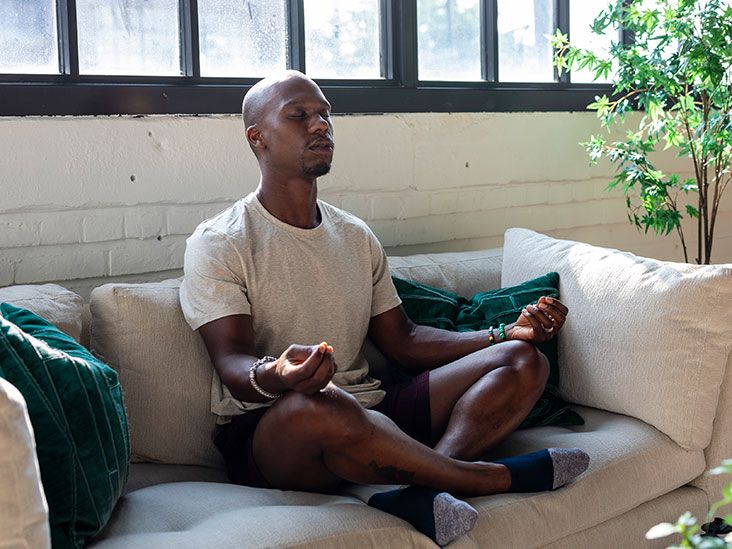
Sit comfortably and inhale gently through your nose.
Exhale a little more slowly.
Relax the jaw and shoulders.
Continue for one or two minutes.
Do not force deep breaths or long holds.
Stop if you feel dizzy.
Breathing creates a pause, but it should be combined with practical action when a real problem needs attention.
Use Grounding
Grounding brings attention back to the present environment.
Notice the pressure of your feet against the floor.
Name several objects you can see.
Listen for nearby sounds.
Feel the temperature of the air.
This can interrupt spiraling thoughts about events that have not happened.
Grounding is especially useful in waiting rooms, crowded places, or before difficult conversations.
Move Your Body
Walking, stretching, cycling, swimming, and household activity can reduce physical restlessness.
Movement also provides a break from sitting and repetitive thinking.
Choose a form that matches your health and energy.
A short walk may be more realistic than an intense workout.
Resources focused on physical wellbeing and body function may help readers understand how posture, pain, movement, and anxiety can influence one another.
Reduce Caffeine
Caffeine can increase alertness, heart rate, shakiness, and nervousness.
These sensations may resemble or intensify anxiety.
Track coffee, tea, energy drinks, chocolate, and pre-workout products.
Reduce intake gradually if you consume a large amount.
Notice whether symptoms improve after changing the timing or quantity.
Avoid using extra caffeine after a poor night because sleep loss can already increase anxiety.
Eat Regularly
Long gaps between meals may lead to low energy, irritability, or physical sensations that feel similar to anxiety.
Eat balanced meals at reasonably consistent times.
Include protein, carbohydrates, vegetables, and healthy fats based on your needs.
Keep a simple snack available during busy days.
Stay hydrated.
People with diabetes or other health conditions should follow their professional nutrition plan.
Limit Reassurance Seeking
Anxiety often creates the urge to ask the same question repeatedly.
Temporary reassurance may feel good but can strengthen the belief that uncertainty is dangerous.
Before asking again, pause and review the information you already have.
Decide whether there is new evidence or only the same fear.
Use trusted sources rather than searching endlessly.
Balanced unfiltered wellness discussions can be useful when they acknowledge uncertainty without creating panic.
Set Boundaries With News and Social Media
Constant exposure to upsetting information can keep the nervous system activated.
Choose specific times to check news.
Avoid reading alarming content immediately after waking or before bed.
Unfollow accounts that repeatedly increase fear without providing useful information.
Turn off unnecessary alerts.
Being informed does not require being exposed every minute.
Use a Small Action Step
Anxiety often becomes stronger when a task feels too large.
Break the problem into the smallest useful action.
Open the document, make the appointment, write the first sentence, or gather one piece of information.
Action can reduce helplessness.
Do not demand that the entire problem be solved immediately.
Progress becomes easier when the first step is clear.
Create a Calming Routine
A predictable routine can reduce decision fatigue.
Choose a few repeatable actions for the morning and evening.
This may include drinking water, opening the curtains, walking, preparing meals, and lowering lights before bed.
For simple everyday calming ideas, select methods that fit your schedule instead of copying an unrealistic routine.
Consistency provides structure during uncertain periods.
Talk to Someone Trustworthy
Anxiety can feel heavier when hidden.
Speak with a trusted friend, relative, counselor, or healthcare professional.
Tell them whether you want advice, practical help, or someone to listen.
Avoid sharing sensitive details in insecure online spaces.
Use safe communication and privacy practices when discussing medical, financial, workplace, or family concerns.
Support should reduce pressure, not create additional risk.
practice Accepting Uncertainty
Anxiety often demands absolute certainty.
Many areas of life cannot provide it.
Instead of asking, “Can I guarantee nothing will go wrong?” ask, “Can I handle the next step even without a guarantee?”
Acceptance does not mean liking uncertainty.
It means continuing with meaningful action despite discomfort.
This skill develops gradually through practice.
Improve Sleep
Poor sleep can make emotional regulation harder.
Keep a consistent wake-up time.
Reduce evening screens and late caffeine.
Create a short wind-down routine.
Seek professional advice for loud snoring, breathing pauses, persistent insomnia, or severe daytime tiredness.
Improving sleep may reduce the intensity of everyday anxiety symptoms.
Know When Professional Help Is Needed
Speak with a mental health professional when anxiety becomes persistent, causes panic attacks, disrupts sleep, or leads to avoidance of normal activities.
Support is also important when anxiety affects work, relationships, eating, or physical health.
Urgent help is needed when someone feels unsafe or has thoughts of self-harm.
Everyday anxiety can often be managed through breathing, grounding, movement, regular meals, realistic planning, and reduced stimulation. The purpose is not to remove every uncomfortable feeling. It is to prevent anxiety from making every decision. Small, repeated actions can restore a greater sense of control.