

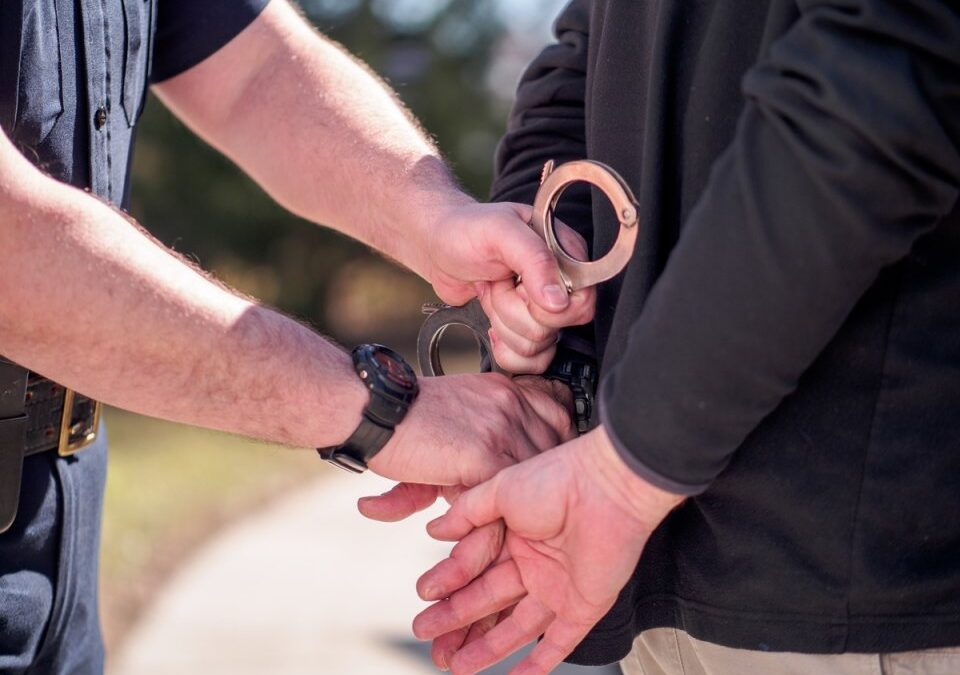
A night out can take an unexpected turn when an encounter with law enforcement becomes part of the evening. Someone may have consumed alcohol at a restaurant, casino, party, or entertainment venue and later find themselves speaking with a police officer in a public area. In these situations, understanding the distinction between intoxication itself and unlawful conduct can make the circumstances easier to navigate.
Nevada takes an approach to public intoxication that may surprise residents and visitors. Under state law, simply being found intoxicated is generally not treated as a public offense. However, intoxication does not provide immunity from other laws. More information about this distinction is available at https://www.gallolawnv.com/can-you-be-arrested-for-public-drunkenness.
Being Intoxicated Is Not Automatically A Crime
Nevada Revised Statutes Section 458.260 generally provides that the use of alcohol and the fact that someone is found in an intoxicated condition are not themselves public offenses. Local governments also generally cannot turn the mere condition of intoxication into an offense.
This distinction is particularly relevant in places with active nightlife. A person who has consumed too much alcohol is not necessarily committing a crime simply by being intoxicated in a public location.
The situation can change, however, when someone’s actions involve separate unlawful conduct. Nevada law specifically states that intoxication does not excuse or provide a defense for a criminal act.
Why Police May still Approach You?
An officer may approach an intoxicated individual for reasons unrelated to criminal public drunkenness. The officer may be responding to a complaint, investigating another suspected offense, checking on someone’s welfare, or determining whether the individual presents a safety concern.
Nevada law also addresses situations in which an intoxicated person cannot adequately care for their own health or safety or the safety of others. Such an individual may be placed in civil protective custody. Depending on the circumstances and available facilities, the person may be taken somewhere appropriate for observation and care.
Civil protective custody should not automatically be confused with an Arrest for the crime of being drunk in public. The legal purpose and circumstances are different.
Stay Calm During The Encounter
An encounter with police can feel stressful, particularly when alcohol is involved. Remaining calm can help prevent unnecessary complications. Avoid shouting, making sudden movements, threatening anyone, or physically interfering with an officer.
Pay close attention to what the officer is asking. It can also be useful to understand whether you are being detained, arrested, or simply questioned. The exact legal rights and obligations involved can depend on what is happening during the encounter.
Trying to argue extensively about the law on the street is rarely the best way to resolve a disagreement. Questions about whether police acted lawfully can generally be addressed later with legal counsel and through the appropriate legal process.
Intoxication Does Not Protect Against Other Charges
The important issue is often not whether someone was drunk but what that person allegedly did while intoxicated. Conduct that independently violates the law can still result in an arrest or criminal charge.
Driving presents an obvious example. Subject to the conditions outlined in the state’s DUI legislation, Nevada forbids operating a vehicle or exercising actual physical control of one while intoxicated.
Other alleged conduct can likewise create separate legal issues. Therefore, someone should not assume that Nevada’s treatment of public intoxication prevents police from making an arrest when officers believe another offense has occurred.
Be Careful About What You Say
People sometimes believe that immediately explaining everything will make a police encounter disappear. Instead, an intoxicated person may unintentionally make confusing, inaccurate, or damaging statements.
There is a difference between remaining cooperative during an encounter and volunteering a detailed account of events without understanding the situation. If an encounter develops into an arrest or criminal investigation, obtaining advice from a qualified attorney can help a person understand the allegations and available legal options.
What Happens With Civil Protective Custody?
Nevada law provides a specific framework for civil protective custody when someone found under the influence of alcohol in public cannot exercise care for their health or safety or that of others. Depending on local resources, the person may be delivered to an appropriate treatment facility. If such a facility is unavailable in the community, a jail or detention facility may be used for shelter or supervision. The statute limits how long the person may be required to remain against their will under this provision.
This illustrates why the word “custody” does not necessarily mean that someone has been criminally charged with public drunkenness.
Protecting Your Rights After An Arrest
If an encounter results in an arrest, the details matter. The underlying accusation, statements made during the encounter, officer observations, witness accounts, and other evidence may all become relevant.
Avoid assuming that being intoxicated automatically establishes guilt for another alleged offense. Likewise, Nevada’s general rule concerning intoxication should not be interpreted as permission to engage in conduct prohibited by other laws.
Understanding what happened and what offense is actually being alleged is the starting point for evaluating the situation.
Final Thoughts
Being visibly intoxicated in public and committing a criminal offense are not necessarily the same thing under Nevada law. State law generally does not make the mere condition of alcohol intoxication a public offense, although police can use civil protective custody in certain safety-related situations and can make arrests when separate criminal conduct is suspected.
Knowing this distinction can help residents and visitors better understand a police encounter. Staying calm, avoiding conduct that escalates the situation, and seeking qualified legal advice when criminal charges arise can help protect a person’s interests after an unexpected encounter with law enforcement.