

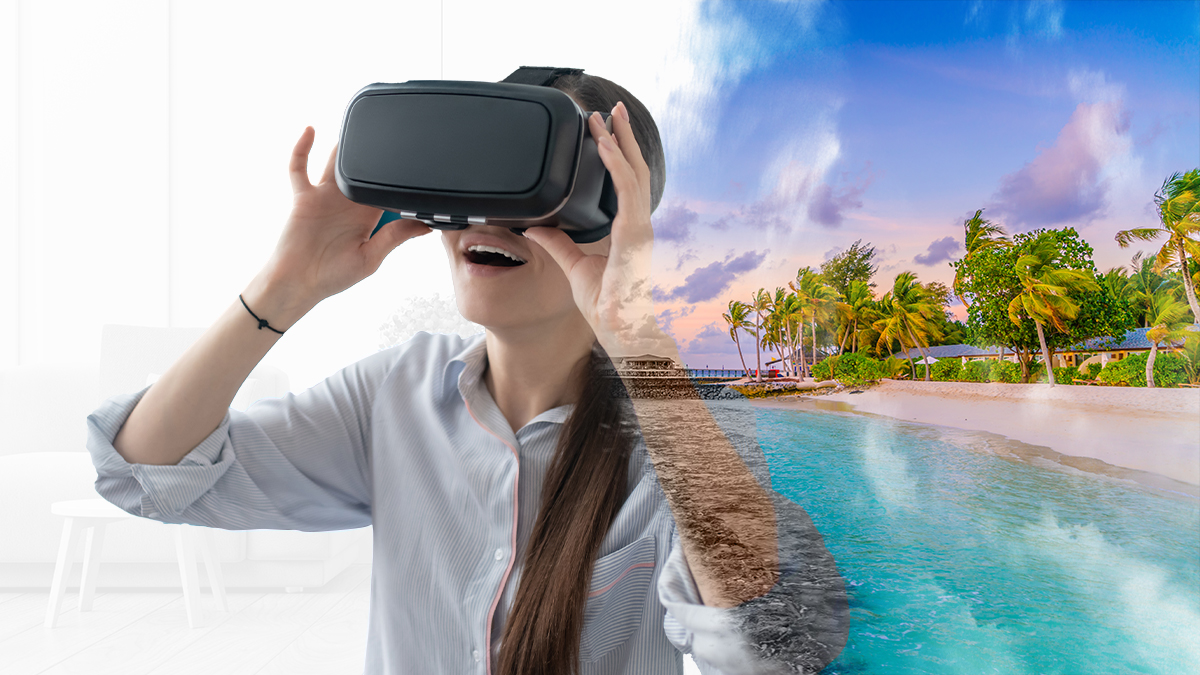
In an era where technology continues to reshape our daily experiences, one of the most unexpected trends to emerge is virtual reality (VR) stargazing. Traditionally, astronomy enthusiasts relied on telescopes, planetariums, and remote dark-sky locations to observe the cosmos. However, with advancements in VR technology, people can now explore the universe from the comfort of their homes. This surprising shift is transforming how we engage with astronomy, making space more accessible than ever before.
Why VR Stargazing is Gaining Popularity
1. Accessibility for Urban Dwellers
Light pollution in cities makes it nearly impossible to see a star-filled sky. VR stargazing eliminates this barrier by simulating pristine night skies, allowing users to experience the Milky Way, meteor showers, and distant galaxies without traveling to remote locations.
2. Educational Potential
Schools and universities are adopting VR astronomy programs to make learning more interactive. Students can “travel” through the solar system, witness supernovas, and even walk on Mars—experiences that textbooks alone cannot provide. Apps like “Titans of Space” and “Star Chart VR” offer guided tours of the universe, enhancing STEM education.
3. Therapeutic Benefits
Studies suggest that stargazing reduces stress and promotes mindfulness. VR takes this further by offering immersive relaxation experiences, where users can float among the stars, listen to ambient space sounds, and escape daily pressures. Apps like “Guided Meditation VR” incorporate celestial environments for mental wellness.
4. Social and Shared Experiences
Platforms like “Bigscreen Beta” and “VRChat” host virtual stargazing events where users gather in digital spaces to watch eclipses, meteor showers, or even fictional cosmic phenomena together. This creates a sense of community among astronomy lovers worldwide.
Leading VR Stargazing Platforms
Several VR applications are pioneering this trend:
- “Universe Sandbox” – A physics-based space simulator where users can manipulate planets and stars.
- “Space Engine” – A realistic 3D universe with billions of galaxies to explore.
- “Google Earth VR” – Includes a mode for viewing constellations and celestial events.
- “Mission: ISS” – Lets users experience life aboard the International Space Station.
Challenges and Limitations
Despite its benefits, VR stargazing has some drawbacks:
- Lack of Physical Sensation – Unlike real stargazing, VR cannot replicate the cool night air or the awe of seeing stars with the naked eye.
- Hardware Costs – High-quality VR headsets (like Meta Quest 3 or Valve Index) remain expensive for some users.
- Motion Sickness – Some people experience discomfort during prolonged VR use.
The Future of VR Astronomy
As VR technology improves, we can expect even more realistic simulations. Future developments may include:
- Haptic Feedback Gloves – To “feel” celestial objects.
- AI-Powered Guides – Virtual astronomers explaining cosmic phenomena in real time.
- Augmented Reality (AR) Integration – Overlaying star maps onto the real night sky via AR glasses.
Conclusion
Virtual reality stargazing is an unexpected yet revolutionary way to experience the cosmos. By overcoming light pollution, enhancing education, and fostering global communities, VR is democratizing access to the universe. While it may never fully replace the magic of real-night-sky observation, it offers an incredible alternative for those who crave the stars but are bound by earthly constraints. As technology evolves, the line between virtual and real stargazing may blur even further—opening up a new frontier in how we explore space.
Find more insights in these resources :
https://uggaustraliasalenet.com/
https://francemedianews.com/
https://autofans.us/
https://travellingtrailer.com/
https://kumpulanbandarpoker.org/
https://bartonunited.co.uk/
https://farianews.com/
https://evemed.co.uk/
https://thecbdstoreonline.com/
https://nixsmate.com/
https://newsoaxaca.com/
https://mrfinancechallenge.com/
https://destinationovertornea.org/
https://fallenandflawed.com/
https://micanet.net/
https://roverpolo.org/
https://tamava.org/
https://isleuthhound.com/
https://nodalpoint.net/
https://keralanewsnow.com/
https://nr-7releases.com/
https://nkhomegroup.com/
https://truenewsd.com/
https://humaswonogirinews.org/
https://swisscartier.co.uk/
https://luellemag.com/
https://sammatson.net/
https://wesserblog.co.uk/
https://legalkushfly.com/
https://bzahomestylecrafts.com/